

Bank Owned Life Insurance (“BOLI”) is a popular asset alternative for Banks today. As a whole, more than half of all financial institutions in the United States own BOLI, representing more than $158 billion of cash value. 49 of the 50 top banks have more cash value life insurance in their Tier I capital reserves than any other asset class.
However, it is important to understand both the advantages and disadvantages of purchasing BOLI before moving ahead with a purchase. This article aims to discuss both.
Advantages of BOLI
Taxation
The taxation of life insurance is one of the biggest benefits to the financial institution as owner of the policy. Properly structured, a BOLI policy offers:
- Tax-free buildup of cash surrender value
- Tax-free loans and withdrawals
- Tax-free death benefit to the company
Cash-on-Cash Returns
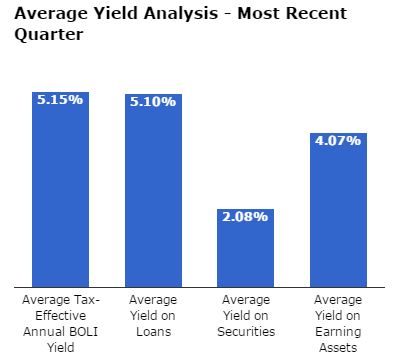
BOLI generally offers a 100 – 300 BPS improvement over other bank eligible investments. Based on the most recent data available, BOLI is one of the top earning alternative investments a bank can make:
Hedging Against Specific and General Employee Salaries and Benefits
BOLI has long been used to hedge against the cost of non-qualified deferred compensation plans. In addition, BOLI can be used to offset the rising costs of the bank’s general salary and benefit expenses. ***For More Information on Non-Qualified plans, click here.***
Immediate Accretion to Earnings/Revenue
Unlike retail and other “off-the-shelf” life insurance products, BOLI is institutionally priced and has positive cash-flow to the bank from day one. This means that the bank never takes a negative hit to the balance sheet or cash flow and immediately sees an increase to Return on Equity and Return on Assets.
Liquidity and No Transaction Costs
One of the misconceptions that we run across is that BOLI is an “illiquid investment.” Although we take the approach that BOLI should be held long term to realize its full potential returns, BOLI is one of the most liquid assets on a bank’s balance sheet. Unlike a loan or security, there are no transaction costs to receive the cash surrender value. Furthermore, most BOLI policies can be surrendered with no policy charges. Funds can be wired into the bank’s account in as little as 1 – 3 business days.
Diversity of Principal
BOLI products offer safe and secure principal that don’t require mark-to-market accounting.
Highest Possible Financial Ratings
The financial strength of the insurance company (EBN only recommends companies with the highest credit ratings) backs the underlying asset.
Long History of Use
BOLI has been used by banks for more than 50 years and is well accepted by regulatory agencies.
Keyperson Protection
Bank-owned life insurance also operates with a specified death benefit that is received by the bank income tax free. Losing a key executive is detrimental to the bottom line of the bank. Unlike any other assets the bank holds, only BOLI provides a tax-free benefit upon the death of an insured executive.
Disadvantages of BOLI
MEC Penalty
Most single-pay BOLI policies are designed as Modified Endowment Contracts or “MEC” policies. These types of policies allow for the most efficient cash surrender value growth possible, but any gain is subject to an additional 10% penalty tax if the policies’ cash values are accessed. However, even with this penalty tax, the net BOLI returns may compare favorably to other financing alternatives over the same time period. ***Links to taxation of insurance***
Credit Risk
Managing the credit risk of a BOLI policy is one of the key elements of a sound BOLI management program. EBN provides both pre- and post-purchase analysis regarding the credit quality of any potential carrier as part of its due diligence. In the event of a credit downgrade on one of the policies, a 1035 Exchange is available to move to another carrier with no additional taxes payable on the gain.
NEXT STEP: What you should look for in a BOLI vendor
Recent Comments